Learn
-
Food Forest Walkthrough Video
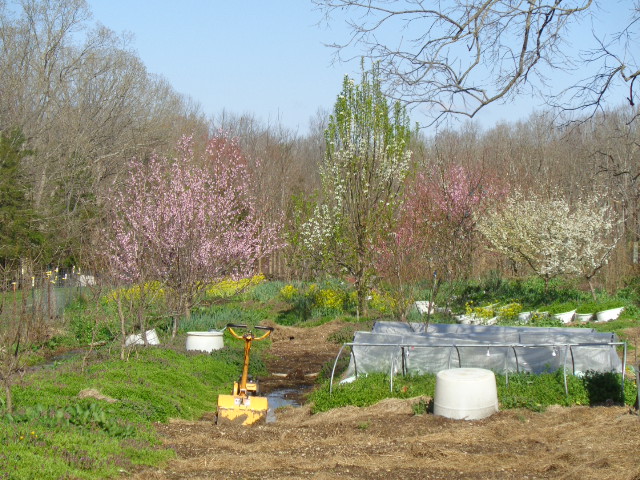
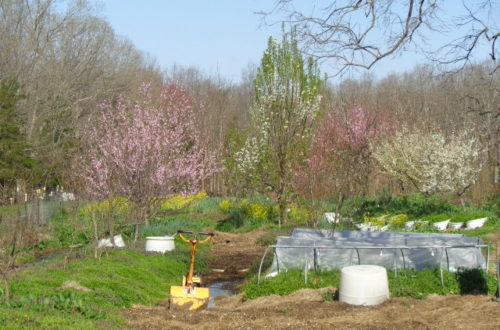
In this video we walk you through what our food forest looks like around the spring equinox of 2021.
-
We’ve Got Eggs!
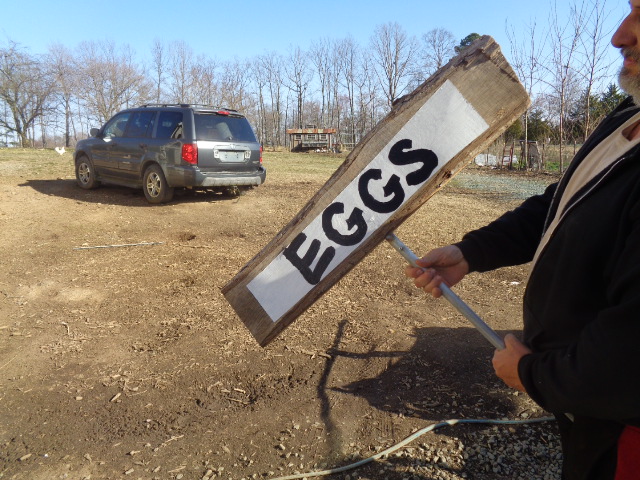
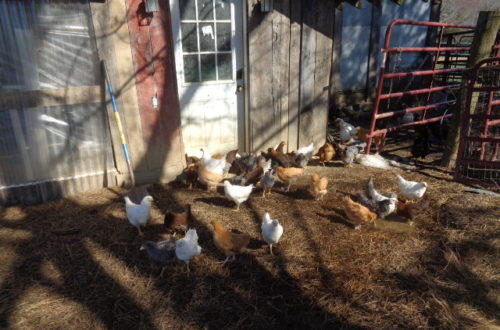
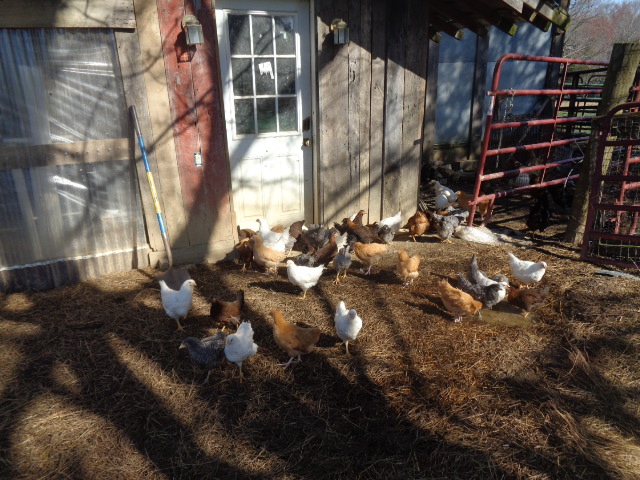
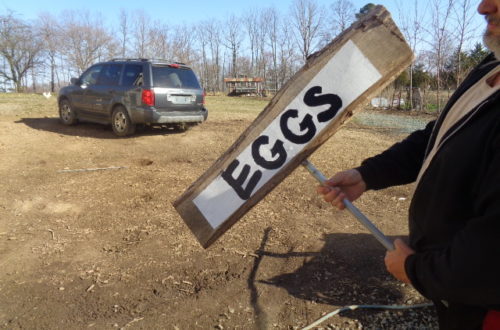
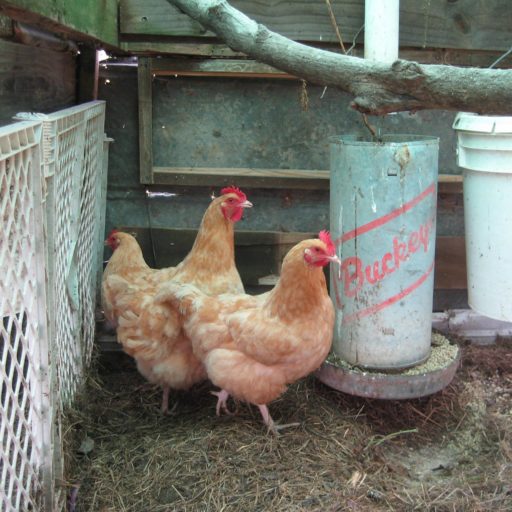
It’s that time of year again when we are inundated with eggs — SPRING! And we are happy to share them with our neighbors out of our roadside homestead stand. Last spring our flock was very small — we just had enough to meet our own needs. This year is a different story. We hope to offer a variety of homestead-produced items in the stand this year. But for now, all we’ve got are eggs… For those of you in the local area: Come on down and get you some free-range, farm-fresh, pastured eggs!
-
Storing Onions Without Braiding
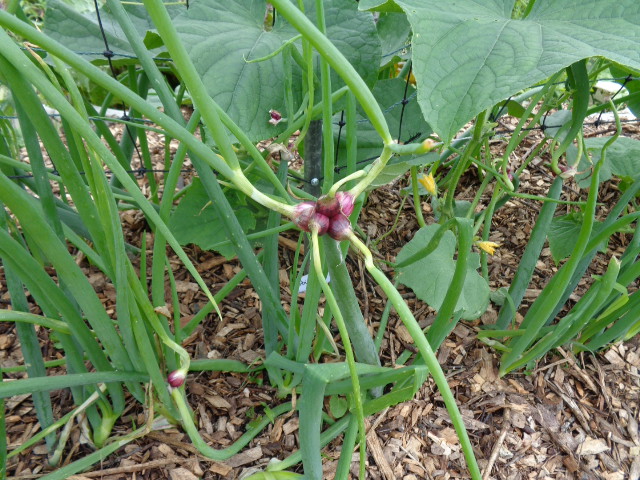
We’ve been growing onions in our garden the past few years, and I came across the following video from Homesteading Family that taught me something new. In the past I did the braiding method, and she’s right, the stems lose their integrity over time. I’ve also stored them using pantyhose before, but this method looks more promising: stringing them up. I look forward to trying it out. Of course, the key is to make sure the onions are cured properly (neck & stem of the onion completely dried out) — something I haven’t always been diligent at doing in the past. Going forward though, I aim to do better. 🙂…
-
Lambsquarters: How We Prepare It
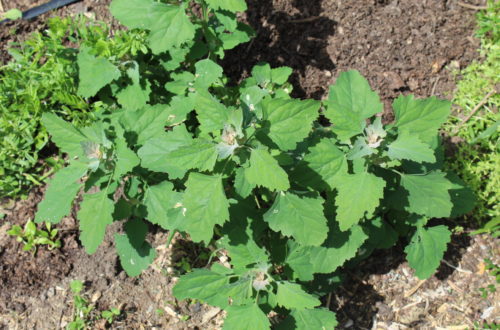
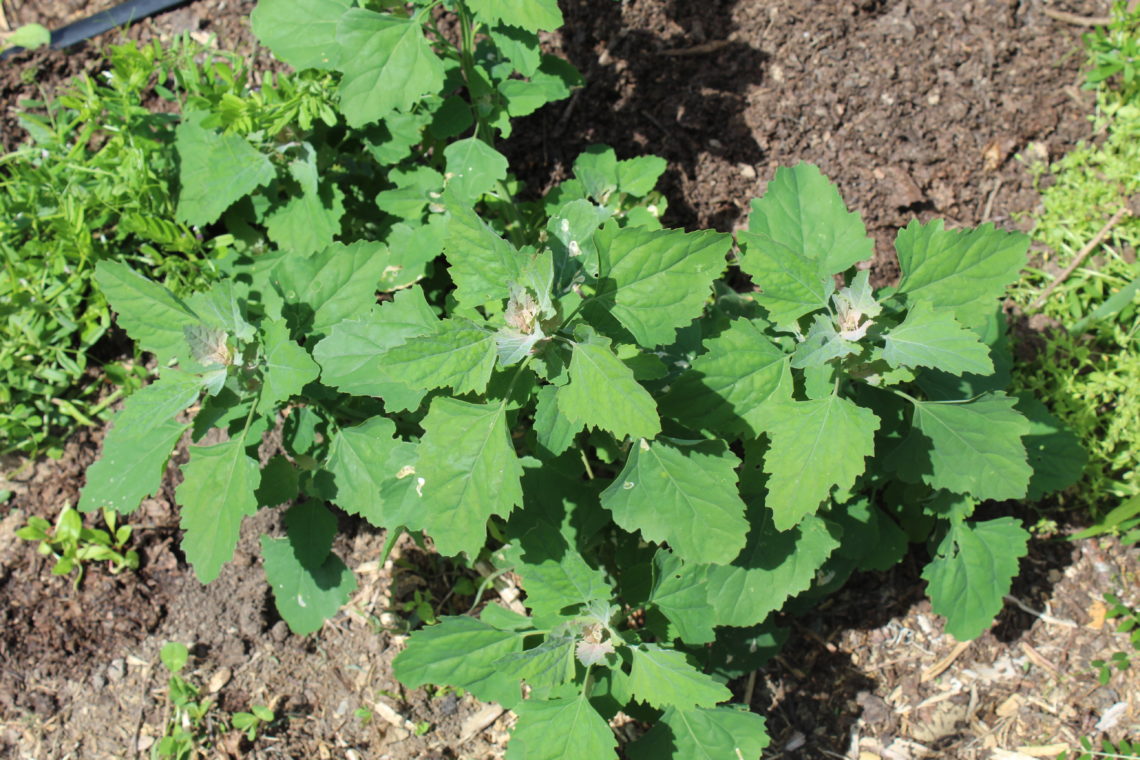
Lambsquarters (also Chenopodium album) is commonly considered a weed and is often cast aside and attention is diverted to more conventional plants. However, it is actually an incredibly nutritious plant as well as very accessible because as a “weed” it grows exponentially and in places that would be inconvenient if you weren’t planning on eating it–so in actuality, it’s very convenient if you choose to take advantage of it. So, how do you eat it? Great question! It’s actually a very easy plant to prepare considering it’s mild which makes it very versatile. Wherever you would use spinach in a recipe, you can use lambsquarters instead. You can put it…
-
Why We Do What We Do
Yesterday on Facebook, my husband posted the following: I know very few free range humans. Instead, most are very domesticated humans. If you live in the city your environment is not free range but you may meet the USDA criteria for “cage free”. TyWiggle I thought that was pretty clever. To that he received the following response from a friend of ours, who stayed with us for a few months in 2016: …you are also a slave to your work. Like you barely spend any time with your family and you are a workaholic. At least you were when I lived with you. You may be free in some ways…
-
Homesteading Tool Must Haves – Forstner Bit
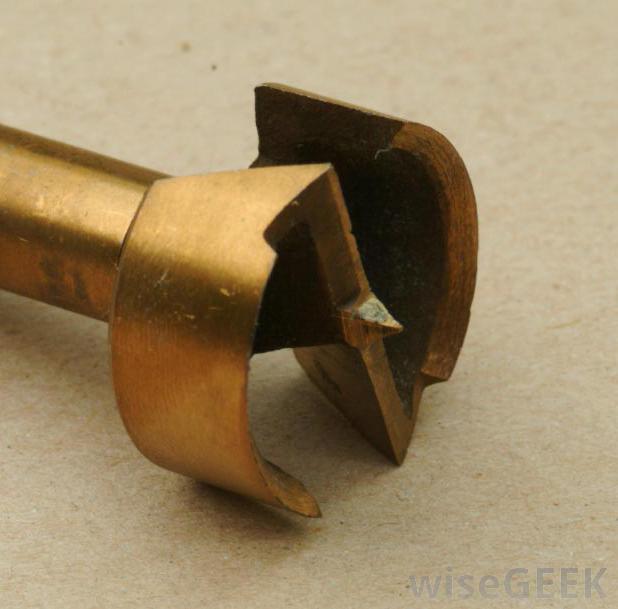
When it comes to boring deep holes in wood, it is hard to beat a Forstner Bit. Spade Bits You probably have some spade bits to go with your drill. These are fine for limited use. They dull easily and are not easy to sharpen. The spade bit seams to overheat quickly. They jam up suddenly at that can be a knuckle buster. Holes sometimes get out of round when the bit travels too quickly while drilling. Hole Saws You may also be familiar with hole saws. These are good for sheet goods like plywood and sheet rock, but are limited if you need to put a number of deep…
-
Putting Up A Post with a Harbor Freight Trencher
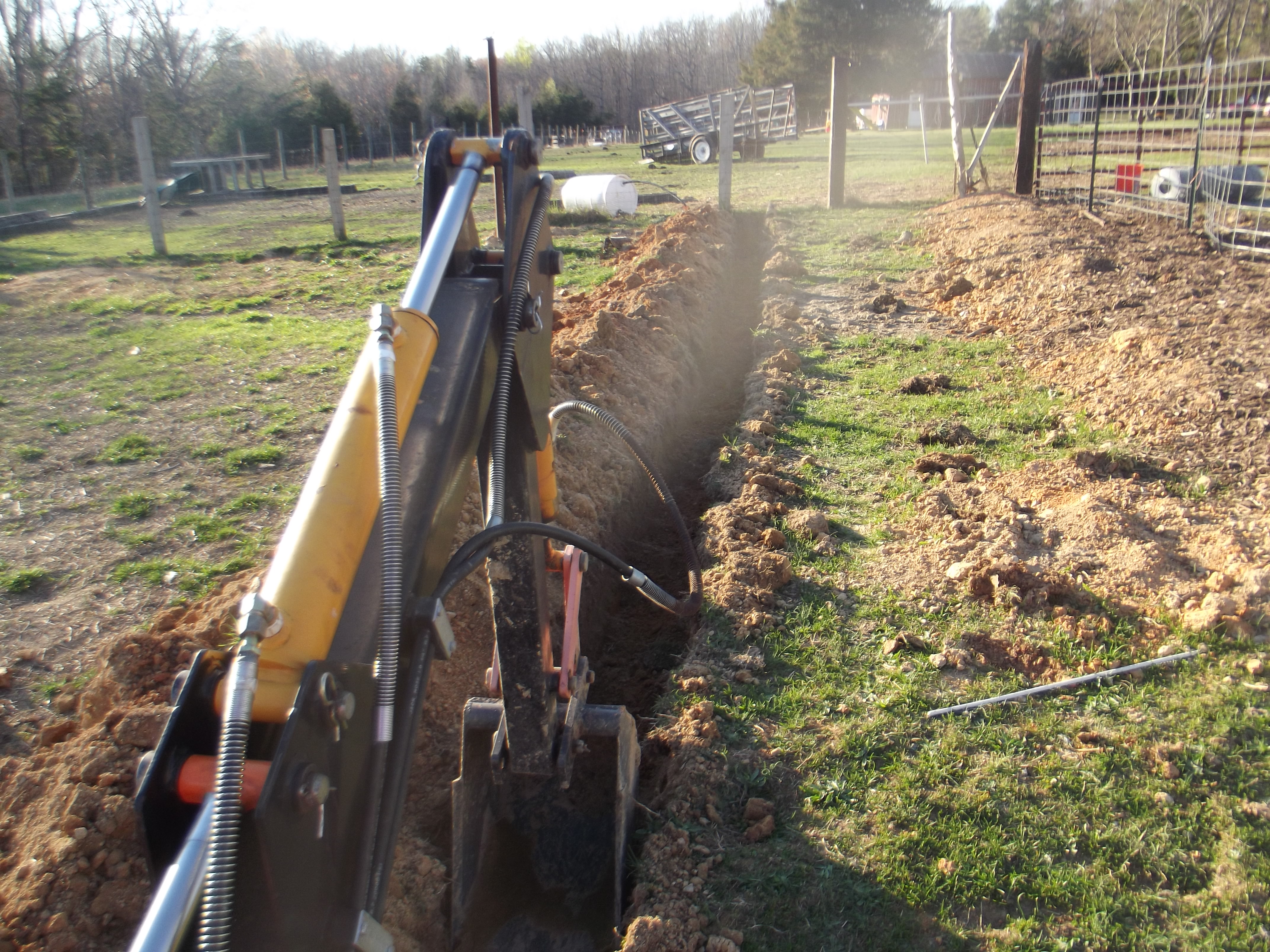
Ty’s been single-handedly doing a lot of work around these parts for several years now, but he has had a faithful companion to help share the load: his Harbor Freight Trencher. While the trencher has had its share of maintenance required, Ty has definitely gotten his money’s worth in having it. Check out his most recent project with this pal of his:
-
The Beginnings of Our Beekeeping Journey
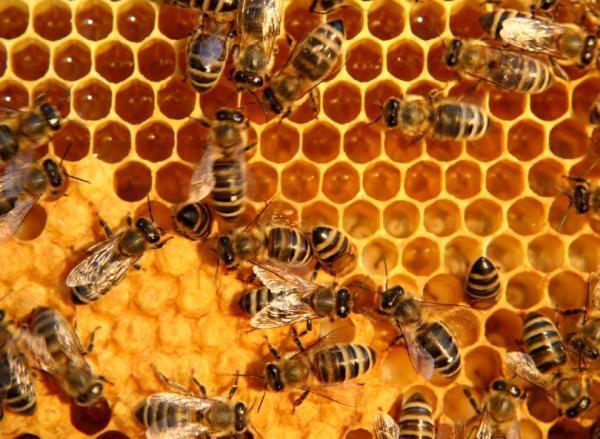
In late February Ty and I attended a 3-day Beginning Beekeeping class taught by our County Extension Agent. It was my first exposure to learning anything about honeybees. Personally, I have always had an aversion to bees in general, and I never paid much attention to learning anything about them. I just knew they stung, and I didn’t want to get stung. When we first moved into my grandparents’ home over ten years ago, they had big azalea bushes by the front door, and I always hated going through the front door in the summer because these giant furry bees (bumble bees) would be lingering right there, buzzing loudly. So, I typically just…
-
Big Picture Plan: Keeping the Dogwoods
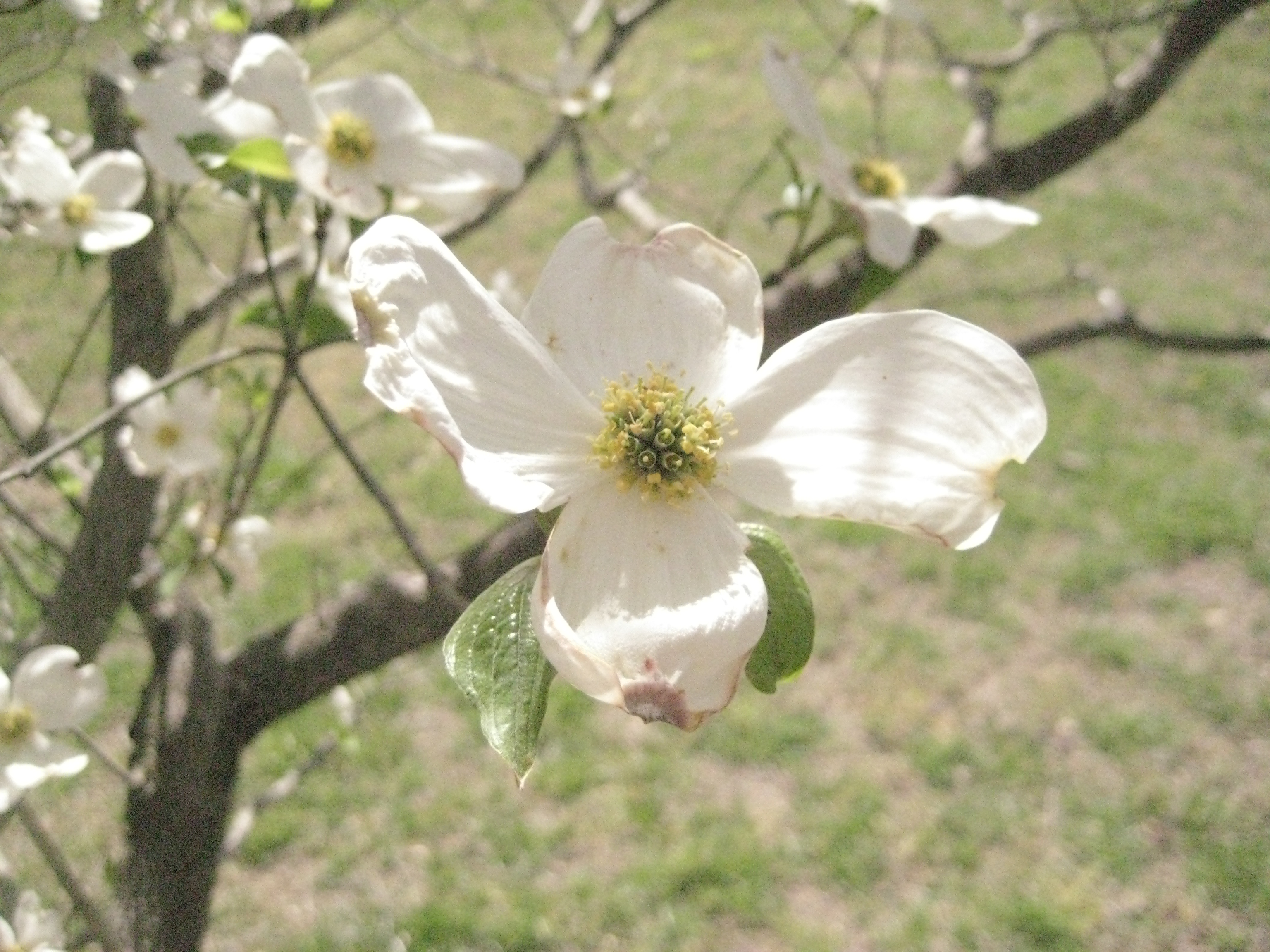
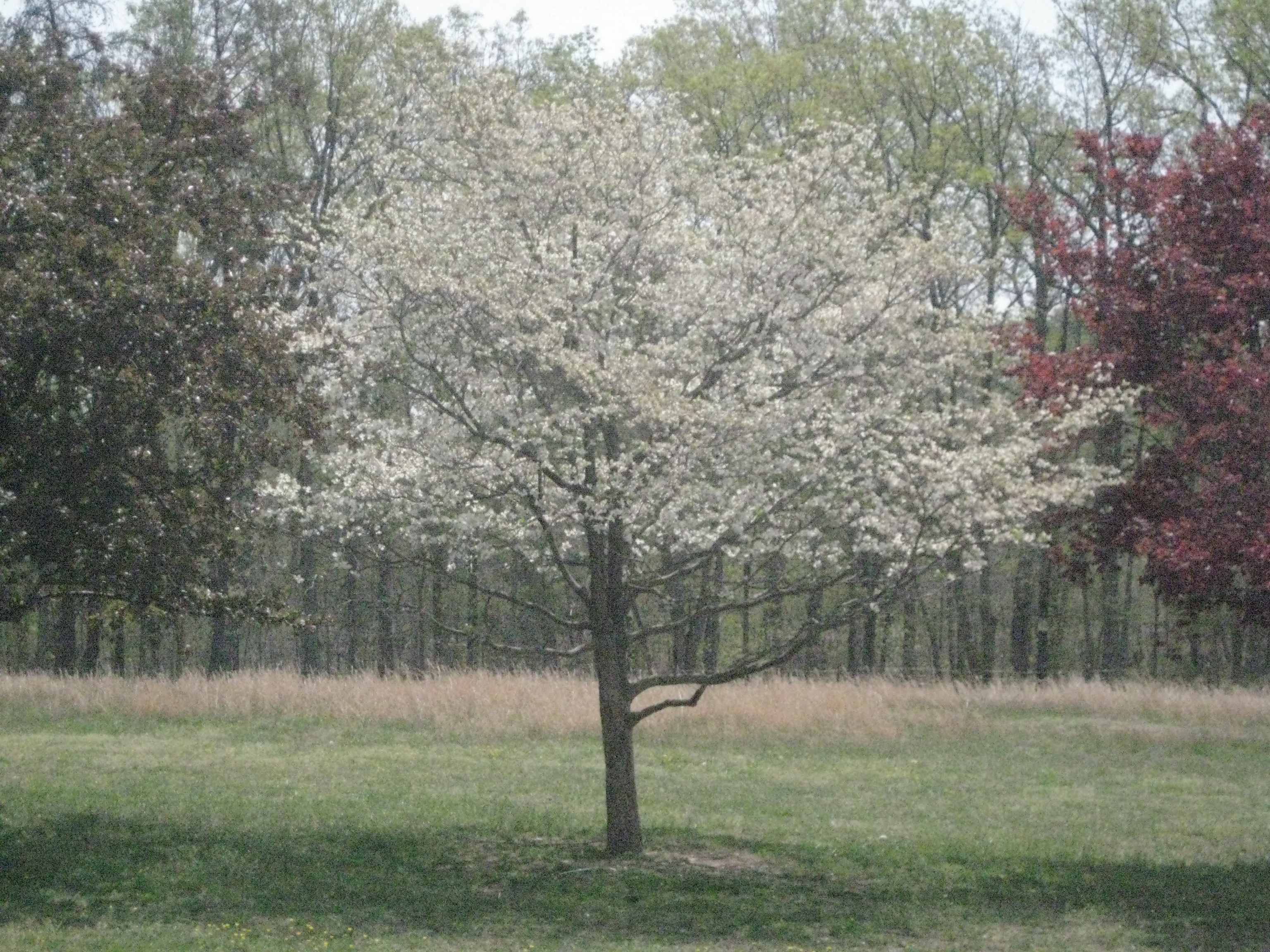
Yesterday the Wiggles went out into our woods. The lesson was about the Dogwood. This tree is a valuable component in my long-term Land Stewardship goals. It thrives as a naturalized understory tree on southern/eastern aspects in mid slope areas. It seems to like moist and richer soils, if there is such a thing on unmanaged Oak and Hickory woodland in central VA. The need for managing the land in three dimensions has become one of my criteria as I attempt to maximize land output while maintaining as low an input as possible. The land is a solar collector. The land that captures and retains the most energy will by…
-
Family Project: Identifying Dogwood Trees in the Woodland
We have two beautiful Dogwoods in our front yard, one nestled between the outbuildings behind our house, and dozens scattered throughout the woods that border the back of our property. They are not only aesthetically beautiful, but also very well-mannered. Requiring little to no input or maintenance, they enhance the overall landscape we are aiming for. Given their medium size and their preference for dappled shade, they fill a void in the three-dimensional space without being problematic, providing dappled shade themselves. While the fruit of this species is not meant for human consumption, the trees provide fodder for the birds and animals in their natural habitat as well as our…